
Top 5 Pests Chicago Homeowners Struggle With—and How to Prevent Them
Chicago homeowners deal with pest pressure that most cities never see. Between the harsh winters pushing pests indoors and the dense urban infrastructure that gives them ideal cover, the Windy City has repeatedly ranked among the worst metros in the country for several pest species.
Chicago's dense neighborhoods, extensive alleyway infrastructure, and lake-driven weather swings create conditions where pests don't just survive—they thrive. Understanding which pests are most active locally is the first step toward protecting your home. Here are the top 5 most common pests that Chicago deals with, and how you can prevent them:
1. Rodents
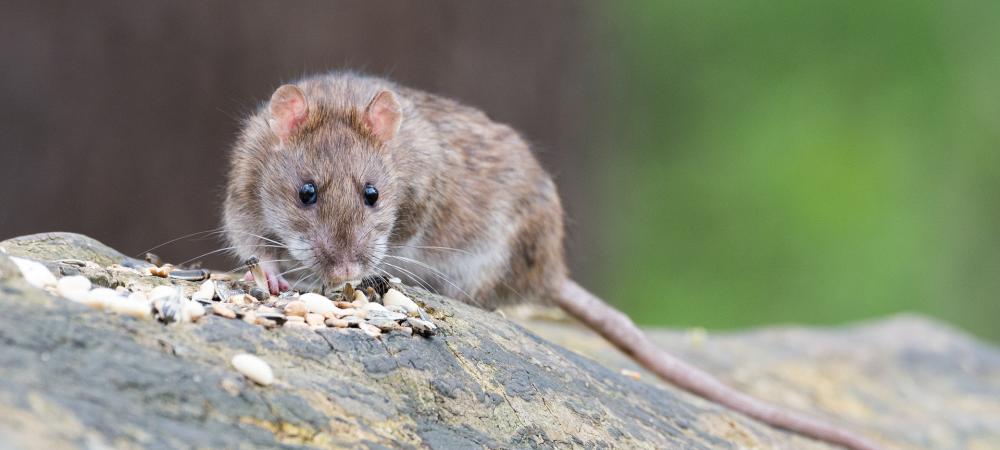
Chicago held the title of the nation's rattiest city for a decade straight before Los Angeles edged it to #2 on Orkin's 2025 Rattiest Cities list. That shift doesn't change the reality on the ground—Chicago continues to record some of the highest levels of rodent service activity in the country, driven by its alleyways, restaurant density, and aging housing stock.
Rats and mice carry Leptospirosis, Salmonellosis, and Hantavirus. They also chew through electrical wiring, insulation, and even pipes. A rat's teeth can gnaw through lots of materials, including aluminum and some soft metals.
Prevention steps:
- Seal exterior gaps down to the size of a quarter—rats can compress through openings that small.
- Store food in sealed metal or glass containers.
- Remove clutter that provides nesting material, particularly cardboard.
- Cut back tree branches within three feet of the roofline.
- Check around utility entries, foundation cracks, and door sweeps regularly.
If you're seeing droppings, gnaw marks, or hearing movement in walls at night, get professional rodent control before the population grows.
2. Bed Bugs
Our city's transit infrastructure, volume of travelers, and dense multifamily housing create constant opportunities for bed bugs to spread from one unit to the next.
Bed bugs don't indicate a dirty home. They hitchhike in luggage, used furniture, and clothing. Once established, they are extremely difficult to eliminate without professional treatment because they hide in mattress seams, electrical outlets, baseboards, and even picture frame edges.
Prevention steps:
- Inspect hotel rooms before unpacking—check mattress seams, headboard, and luggage rack.
- Avoid placing bags directly on hotel floors or public seating.
- Use a mattress encasement rated for bed bug protection.
- Inspect secondhand furniture thoroughly before bringing it indoors.
- After travel, launder clothing on high heat before storing.
To get rid of these pesty bugs, professional bed bug control is often the best (and only) way to break the pest's life cycle at every stage. Catching an infestation early dramatically reduces the scope of treatment needed.
3. Cockroaches
German, American, and Oriental cockroaches are all active in Chicago homes and apartment buildings. The National Pest Management Association estimates that in urban areas, up to 98% of homes contain cockroach allergens, which are linked to increased asthma rates—particularly in children.
Cockroaches even spread Salmonella, E. coli, and other pathogens across surfaces and food preparation areas. They thrive in warm, humid environments and can move freely between units through shared plumbing and wall voids in multifamily buildings.
Prevention steps:
- Fix any water leaks promptly—cockroaches are drawn to moisture before food.
- Keep counters, floors, and appliance undersides clean of crumbs and grease.
- Store dry goods in sealed containers.
- Seal gaps around pipes and behind cabinets.
- Vacuum regularly, especially under and behind appliances.
4. Ants
Ants are among the most common pest complaints across the Chicago metro year-round. Odorous house ants and pavement ants invade kitchens in search of sugar and moisture. Carpenter ants are a more serious concern—they don't eat wood like termites, but they excavate it to build galleries, which can compromise structural elements in wood-framed homes over time.
Prevention steps:
- Wipe down counters and sweep up crumbs after meals.
- Fix leaky faucets and drain lines under sinks.
- Store sugar, honey, and syrups in sealed containers.
- Seal cracks around windows, doors, and the foundation.
- Keep mulch and soil at least six inches from the foundation.
We've found that ant trails lead back to a primary colony that's often outside the home—treating only what's visible inside rarely solves the problem long-term. Tracing the entry point and addressing the source is what makes the difference.
5. Stinging Insects
Yellow jackets, paper wasps, and bald-faced hornets all nest in and around Chicago homes from late spring through fall. Nests appear in eaves, soffits, attic vents, under decks, and in ground cavities. As nests grow through summer, the insects become more defensive.
Stings from these insects cause pain and swelling for most people. For those with venom allergies, a single sting can trigger anaphylaxis, a life-threatening reaction.
Prevention steps:
- Inspect eaves, soffits, and attic vents each spring before nests establish.
- Keep garbage cans sealed—yellow jackets forage aggressively near food waste.
- Seal holes in siding, fascia, and around utility penetrations that wasps use to access wall voids.
- Avoid disturbing a nest that's already established. Nest removal is safest with protective equipment and appropriate treatment.
Our stinging insect services locate and remove the nests and addresses the harborage conditions that attract wasps and hornets back each year.
When to Call a Professional
Most infestations follow a predictable pattern—a small entry point, an accessible food or water source, and enough time for the population to grow before it's noticed. Catching issues early, or better yet addressing the conditions before they attract pests, is almost always less costly and disruptive than treating a full infestation.
DIY traps and store-bought sprays can reduce visible pest activity, but they rarely address the source of an infestation. If you're seeing multiple signs of pest activity, finding evidence in more than one area of the home, or dealing with a recurring problem that keeps coming back after treatment, a professional inspection is the logical next step.
R.B. Pest Solutions uses an Integrated Pest Management approach—inspecting for root causes, applying targeted treatments, and monitoring your property over time. If you're dealing with any of the pests above, our guaranteed pest control services cover the full range of common Chicago intruders. Get a quote today and let's figure out your solution.